Select Page
DETOX WITH POMEGRANATE JUICE

DETOX WITH POMEGRANATE JUICE

IT’S TIME TO DETOX – POMEGRANATE JUICE TO THE RESCUE!

Pomegranates are part of our ancient history and it’s believed that they were grown in Persia at least 4000 years ago. They are symbols of fertility and love, mentioned in the Bible and Greek mythology, used in Ancient Roman wedding rites, and are an integral part of the cuisine of the Middle East, India and the Mediterranean.

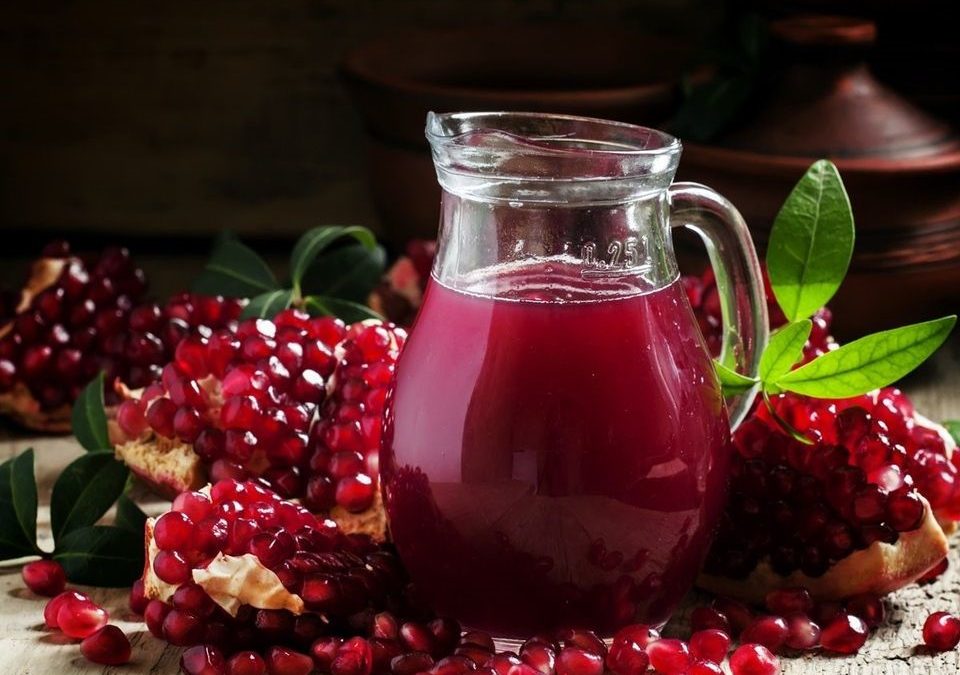
POMEGRANATE JUICE has been getting a lot of attention lately because there has been more and more research showing its benefits for the HEART, MOOD, BRAIN HEALTH and the GUT MICROBIOME. I am particularly interested in studies on its effects on the LIVER.

When we overindulge in alcohol and fatty foods, the liver takes strain, and pomegranate juice is the tonic we need to get it back to a state of health. It helps the liver to produce bile to digest fats, and to filter toxins from the blood.

Pomegranate juice is rich in anthocyanins – powerful antioxidants that give it the rich deep-red colour. They are also anti-inflammatory. Oxidative stress and inflammation both contribute to fatty liver disease, so pomegranate juice is an antidote.

It’s been found to aid in the growth of good gut bacteria, also vital for restoring our health after overindulging during the holiday season.

Just one thing. Make sure it’s pure pomegranate juice that hasn’t been blended with any other fruit juice. A recommendation is to have half a glass as a tonic in the morning, but some people prefer to drink it as a shot, before meals, to aid with digestion.

 And for those who would like a non-alcoholic drink, here’s a recipe from mindfulmocktail.com

POMEGRANATE MOCKTAIL
INGREDIENTS
• ¼ Cup pomegranate juice
• Half lime cut into wedges
• 6 – 8 Mint leaves
• 1 cup soda water or ginger ale
• Sweetener to taste if using soda water
METHOD
1. Place lime wedges, sweetener (if using) and pomegranate juice in a tall glass. With a spoon, press gently to release the lime juice.
2. Rub mint leaves together in your hands to release the scent and add to the glass.
3. Add plenty of ice to the glass and top with soda water or ginger ale. Stir well.
4. Garnish with pomegranate seeds, mint and lime.
And drink to health!
WHY BROCCOLI IS CALLED THE CANCER WHISPERER

WHY BROCCOLI IS CALLED THE CANCER WHISPERER

Many people have told me they disliked broccoli – but they’ve all been converted after cooking it differently and learning why including it in our diet is so important.

Broccoli is a superfood that has many health benefits, but did you know that it can also help prevent cancer? 

Broccoli contains a compound called SULFORAPHANE, which can activate genes that fight against tumour growth and inflammation. It also activates a cellular defence system called the Nrf 2 pathway that detoxifies harmful substances, protecting against oxidative stress and repairing DNA damage. It enhances the production of GLUTATHIONE – the master antioxidant that protects your cells from damage. 

Studies show that broccoli is especially effective against colorectal, prostate, breast, and lung cancers. 

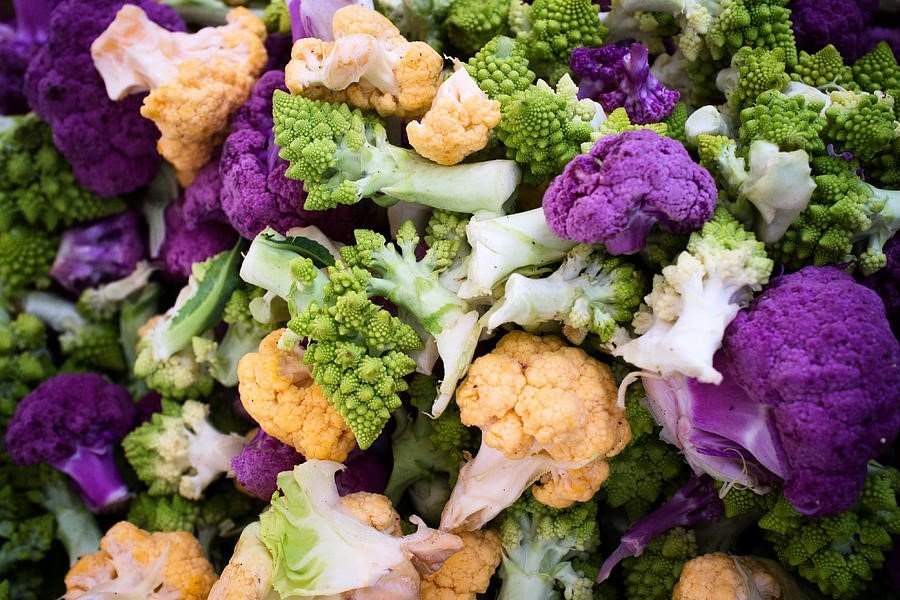
So how much broccoli do you need to eat to get these benefits? Experts recommend eating at least one cup of broccoli or other cruciferous vegetables EVERY DAY. Cauliflower, cabbage and Brussels sprouts all contain sulforaphane too. 

You can enjoy broccoli raw, steamed, roasted (absolutely delicious!), or in salads, soups, and stir-fries. 

If you don’t already, learn to love Broccoli. It loves you right back!

THE GUT-BRAIN CONNECTION

THE GUT-BRAIN CONNECTION

THE GUT-BRAIN CONNECTION

Something else that I find fascinating relating to brain health.

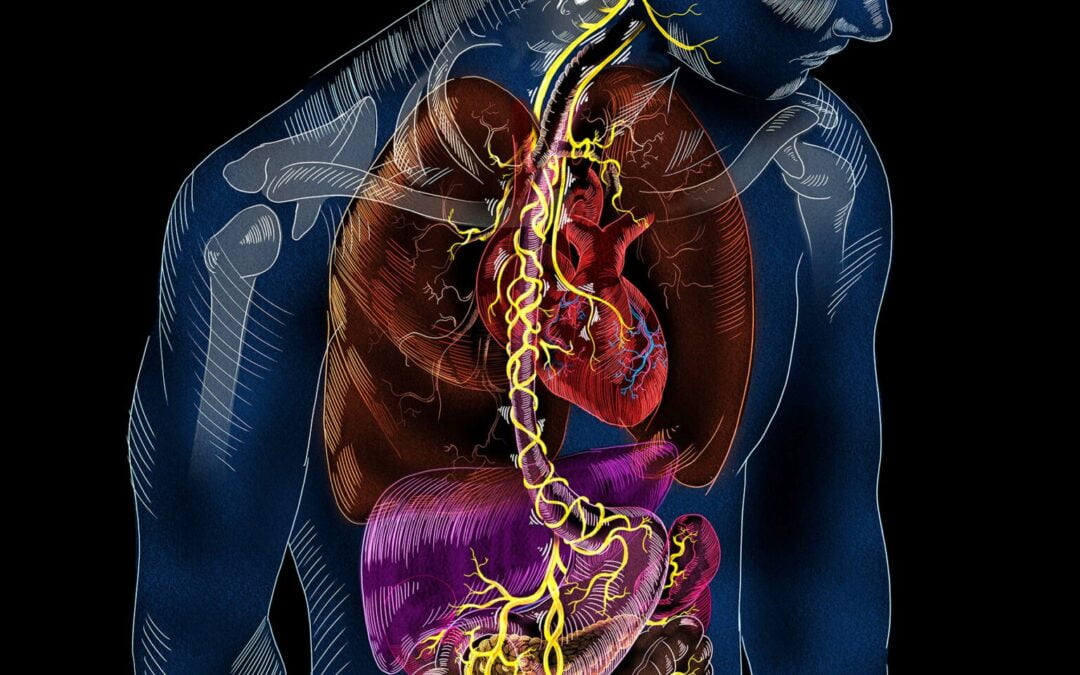
The human gut is often referred to as the SECOND BRAIN. It has its own independent nervous system. 70% of our immune system resides there. 90% of serotonin (which regulates mood) is
produced in the gut. This often surprises people.

And this is the really interesting reason why! (I learned this from Dr Uma Naidoo.) The gut and brain arise from the exact same cells when our bodies are forming in the embryo. So even though the gut and brain are far apart in the body, they are made from the same cells. They are connected by the Vagus nerve, which acts as a 2-way super-highway channeling messages back and forth between the
gut and brain.

Ever wake up in the early hours with a sense of dread in the pit of your stomach? Trace it back to a fearful thought – about the past or the future – every time. Butterflies in your stomach when you are anticipating something exciting? Or sick to your stomach at some awful news? This is known as the Gut-Brain Axis. What happens in the gut affects the brain and vice versa.

WHAT’S THE DIFFERENCE BETWEEN PROBIOTICS AND PREBIOTICS?

WHAT’S THE DIFFERENCE BETWEEN PROBIOTICS AND PREBIOTICS?

WHAT’S THE DIFFERENCE BETWEEN PROBIOTICS AND PREBIOTICS? 

PROBIOTICS – are made up of good bacteria and yeasts that naturally live in our bodies. We always have both good and bad bacteria, and these need to be kept in balance – with more good than bad. The good guys keep our bodies healthy and working well. We need to make sure that they are in charge, and so we need to feed them.

We can keep topping up the good gut bacteria by eating probiotics too. These fermented foods contain probiotics:

• Yogurt
• Buttermilk
• Cottage cheese
• Kefir
• Kombucha
• Kimchi
• Tempeh
• Miso
• Fermented pickles
• Apple Cider Vinegar (with the mother
• Sauerkraut

WHAT ARE PREBIOTICS?

Prebiotics refer to a specific type of fibre that only the good gut bacteria are able to ferment or feed on. That’s right, the bad guys can’t eat them!
When the good guys ferment the fibre, they produce short chain fatty acids like butyrate, which strengthens the gut lining and strengthens our immune system. They do many other good things too.

If we DON’T feed the good guys, they die off and the bad guys take over. The bad guys can’t eat fibre, but they love refined foods, fast foods and pre-packaged foods. Sugar and flour – they adore…

TO SUMMARISE: Prebiotics are food for probiotics. They act as the fertilizer that nourishes them.

FOODS HIGH IN PREBIOTICS
Only certain foods contain types of fibre that the good bacteria can ferment. They are mostly soluble fibres which form a gel-like substance in the gut.

1. CHICORY ROOT – is a woody herb that contains inulin. Research shows that inulin is linked to improved digestion and bowel movements and supports healthy cholesterol and blood sugar levels.
Whole chicory root can be boiled whole and eaten like a vegetable, but for the most part, ground chicory root is available and can be brewed like coffee. It even tastes like coffee, just a bit more bitter and nutty. (See my earlier post on chicory coffee).

2. DANDELION GREENS – Yes, dandelions are edible, and the greens are packed with vitamins (A, C, E, and K), calcium, iron, magnesium, and prebiotic fibre.
Like chicory root, the fibre in dandelion greens is mainly inulin. There are 400 species of dandelion, and although they are considered to be a weed, people have been foraging and eating them for centuries.

There are many different ways to enjoy dandelion greens. Try adding them to a salad with chives and lettuce, or to a smoothie.

3. CHIA SEEDS – Although tiny, chia seeds are bursting with fibre.
Dry chia seeds are small, hard, and round. But when they’re soaked in a liquid, they produce a transparent gel full of soluble fibre which the good gut bacteria love. It can help with the absorption of minerals like zinc and iron.
Chia seeds can be added to oats, jams, yoghurt or water. I’ve done a post on Chia seeds too.

4. GARLIC – offers a type of prebiotic fibre called fructo-oligosaccharides, accounting for 75% of its dry weight.
Studies show that fibre from garlic encourages the growth of good bacteria, like Bifidobacteria, and inhibits the growth of the less desirable Clostridia species.

5. OATS- Rolled oats, or steel-cut oats, contain a large amount prebiotic soluble fibre from beta-glucans. It is the outer husks that the probiotics love to munch on and then ferment. Instant oats do not have this beneficial effect.

So now that we know what foods our good gut bacteria like to eat – let’s feed them! They reward us by keeping us healthy.


Why Fibre is Good for Physical and Mental Health

Why Fibre is Good for Physical and Mental Health

INCREASING YOUR FIBRE INTAKE – REMEMBER YOU’RE EATING FOR 100 TRILLION!

This is a follow-up to my previous post on Prebiotics and Probiotics, and as I said – Our Good Gut Bacteria (Probiotics) Thrive on FIBRE.

Fibre is a type of carbohydrate found in plant foods which the body can’t digest. It passes through the digestive tract to the colon, where the friendly bacteria digest it and produce short chain fatty acids that help our immune system, keep the gut lining healthy and prevent inflammation – supporting our physical and mental health. We need to keep them happy and feed them well. There are two kinds of fibre.

SOLUBLE FIBRE

This type of fibre dissolves in water to form a gel, which slows the digestion of food. It is the preferred food of the good guys. Soluble fibre can also lower blood sugar and cholesterol.
Good food sources of soluble fibre include apples, artichokes, asparagus, bananas, barley, beans, berries, broccoli, Brussels sprouts, dark leafy greens, legumes, lentils, nuts, oats, oranges, pears, peppers, and squash.

INSOLUBLE FIBRE

This type of fibre absorbs water, but does not dissolve. It helps move food and waste through the digestive system, which promotes regular bowel movements and prevents constipation.

Good food sources of insoluble fibre include beans, bran, carrots, cucumbers, celery, legumes, nuts, seeds, tomatoes, and whole grains.
*Cabbage has BOTH soluble and insoluble fibre (a 60% to 40% ratio)

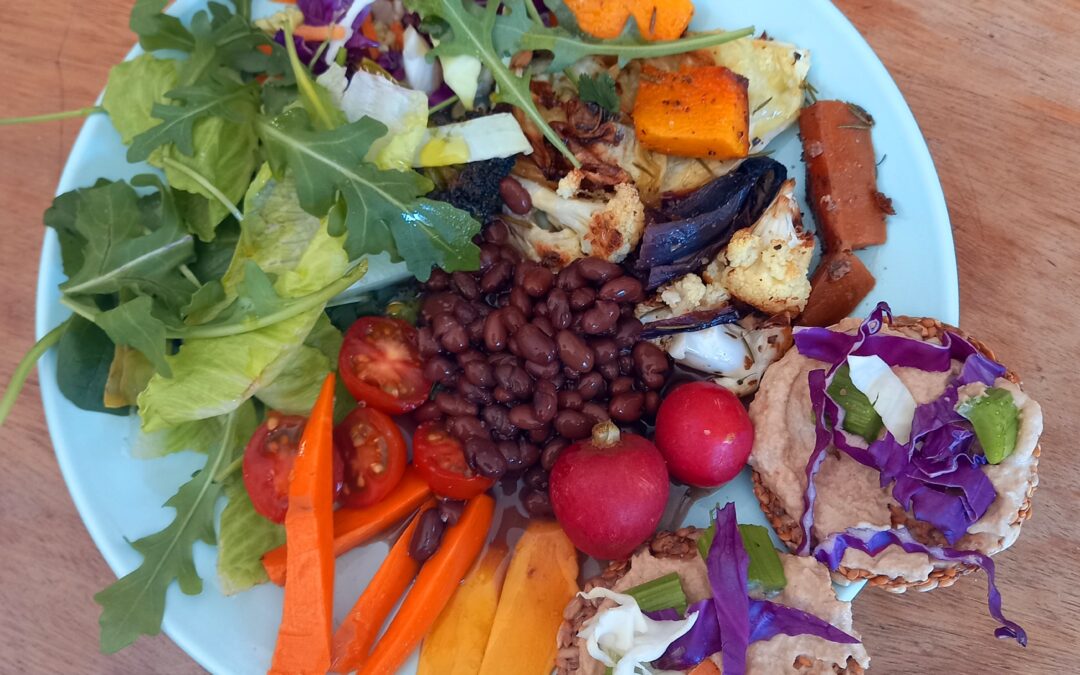
• Aim to fill most of your plate with brightly coloured whole plant foods (eat the rainbow) – dark green, purple, red and orange.

• Choose whole grain rice, breads, and pastas instead of products made with refined or white flour.

• Get creative. If a recipe calls for animal protein, try making the dish with beans or legumes instead. This works well with soups, and stews.

• Swap juices for smoothies, using the same ingredients. The taste will be similar, and the fibre lost during the juicing process will be blended into the smoothie.

Cordyceps – Miracle Medicinal Mushroom

Cordyceps – Miracle Medicinal Mushroom

cucumber picture

Cordyceps - Miracle Medicinal Mushroom

About 20 years ago, I had a fascination with Tibet. I found a book, written by Murdo McDonald Bayne, a spiritual teacher who visited Tibet in the 1940s. In it he wrote about a mushroom called Yartsa Gunbu that the Tibetan nomads found up very high in the Himalayas, which I found fascinating. (His life story is fascinating too and the book “Beyond the Himalayas” is downloadable for free).

This very unusual fungus was a parasite – it grew out of a caterpillar (!) and the Tibetans would eat it for increased endurance and stamina. This allowed them to walk for many miles through snow and icy conditions. The mushroom is also found in China and Nepal.

I learned that the scientific name for Yartsa Gunbu is Cordyceps Sinensis, and it has been used for centuries in Chinese medicine, to treat all kinds of health issues. It is known to:

• Boost energy and metabolism.

• Increase aerobic capacity and endurance. Cordyceps made headlines when the Chinese Track and Field team broke three world records at the 1993 Olympic Games. Their coach said that this was partly due to a cordyceps drink the team had daily.

• Improve endurance.

• Help with asthma by increasing oxygen use.

• Enhance immune response.

• Boost libido – It is especially good for men with low testosterone and women who may be in the menopausal, or post-menopausal stage of life, because it enhances the biosynthesis of cortisol, oestrogen and testosterone.

• Support the kidneys and liver – the body’s detoxification pathways – so important!

• Target and destroy many different kinds of tumours (anti-cancer).

• Help with Type 2 diabetes by balancing blood sugar.

Cordyceps Sinensis is difficult to find and is therefore unaffordable for most people.

I was so happy to discover that there is a similar species called Cordyceps Militaris, with the same compounds, but which is NOT parasitic and can be cultivated (without a caterpillar) making it readily available and affordable, and that is what we use in our tincture.

I knew immediately that I wanted to share this with other like-minded people who care about natural remedies for their health – vital knowledge that is being re-discovered.

The Mushaboom Cordyceps Tincture has been double-extracted, which means it has both alcohol-soluble compounds and hot-water soluble compounds making it very potent.

For orders, contact me by email.


Photo credit: Daniel Winkler